As the global population continues to grow, so does the demand for food. To meet this challenge, farmers rely on agrochemicals and fertilizers to enhance crop productivity, protect against pests, and ensure healthy soil. While these inputs have revolutionized agriculture, their responsible use is critical to balancing productivity with sustainability.
In this blog, we’ll explore what agrochemicals and fertilizers are, how they help modern farming, the concerns surrounding their use, and how farmers can apply them wisely.
1. What Are Agrochemicals and Fertilizers?
-
Agrochemicals refer to a broad range of chemical products used in agriculture. These include:
-
Pesticides (insecticides, herbicides, fungicides)
-
Plant growth regulators
-
Soil conditioners
-
-
Fertilizers are substances that supply essential nutrients to crops. They are broadly classified into:
-
Organic fertilizers (manure, compost, bone meal)
-
Inorganic/chemical fertilizers (urea, DAP, NPK mixes)
-
Together, these inputs help farmers boost yields, control crop diseases, and maintain soil fertility.
2. Importance of Agrochemicals in Agriculture
🌾 Crop Protection
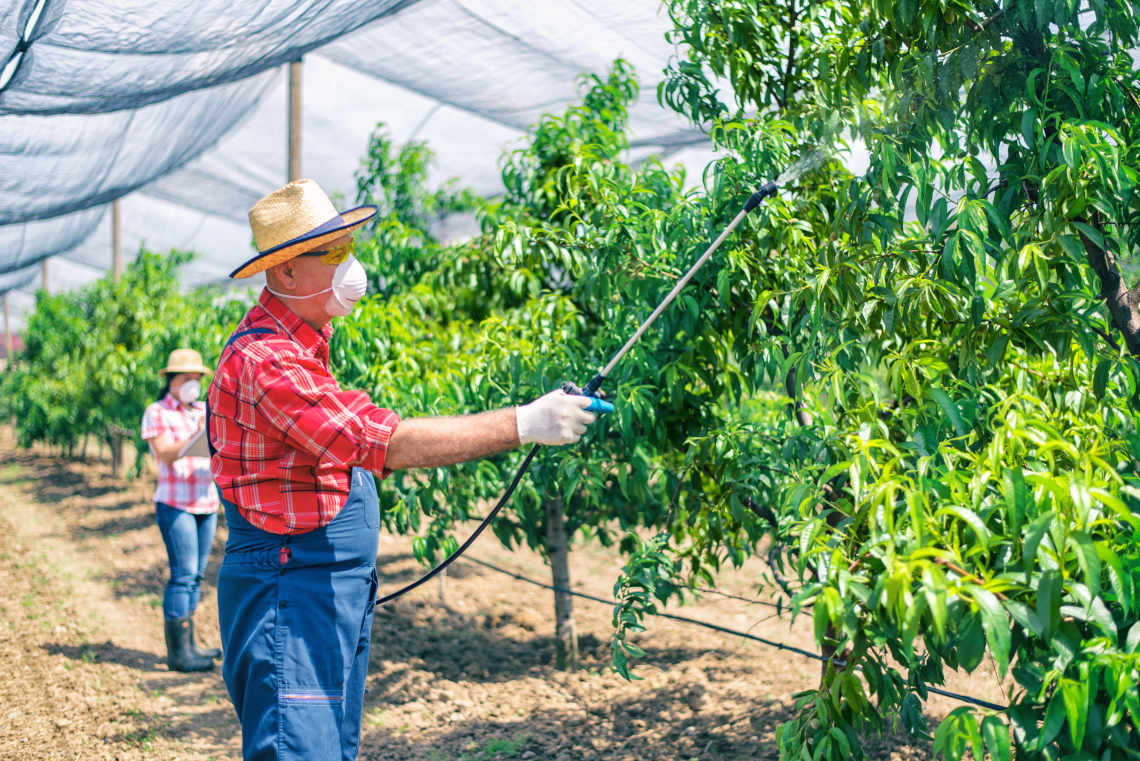
Pesticides prevent damage from pests, diseases, and weeds — saving 20–40% of global crop production annually.
🌱 Growth Enhancement
Plant growth regulators improve crop quality, flowering, and fruiting under different conditions.
🚜 Yield Optimization
Timely and targeted agrochemical applications result in higher yields and better marketable quality.